
The Injustice of ‘Humane’ Death
Black Water (Joyce Carol Oates Edition)This flow traces the novel’s challenge to claims of humane execution through Kelly Kelleher’s writing and the physical urgency of her drowning.
increasing Bearing strength in each event
 decreasing
Bearing strength in each eventdecreasingThe Question of Deterrence

Why Punish by Death
A familiar defense
Arguments for capital punishment claim that execution deters murder and communicates that life is not cheap. Kelly Kelleher examines how those claims justify the state’s power to kill.
The rhetoric of certainty
The promise of deterrence offers a confident answer to violence. Kelly’s research asks whether such certainty can account for the suffering inflicted by the method itself.
Bodies Behind Procedure
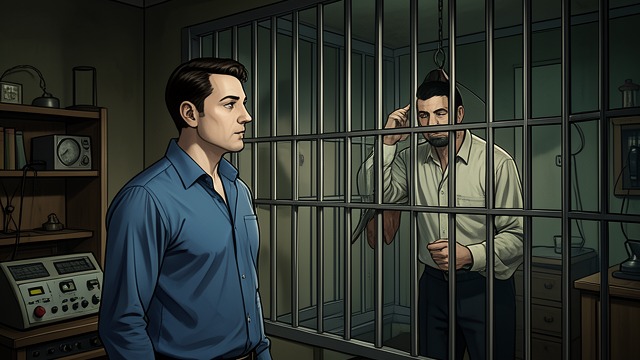
The Material Cost
Detailed methods
Kelly Kelleher’s article describes hanging, electrocution, gas, and lethal injection, attending to the physical effects that official descriptions can obscure.
Distance removed
Calling a method humane can make violence sound clean and controlled. The detailed account restores the body to a debate that might otherwise treat execution as an abstraction.
The Limits of Equal Justice

A System Unequally Applied
Race and geography
Kelly Kelleher considers how racial disparities, regional differences, and prosecutorial choices influence death sentences. The claim of neutral justice becomes difficult to sustain.
The danger of irreversibility
A wrongful execution cannot be undone. The issue links procedural fairness to the human cost of giving the state irreversible power over life.
A Shared Opposition

Political Agreement
A common position
The Senator opposes capital punishment, and Kelly Kelleher’s article gives them a point of shared conviction. His public stance matches an issue on which she has spent serious effort.
Agreement does not settle character
Political agreement encourages Kelly to trust his values. The crash later exposes why a person’s position on a public issue cannot answer every question about how he acts privately.
Water as Physical Threat

The Body in Danger
No abstract suffering
Kelly Kelleher’s experience of choking, injury, and black water makes the body’s vulnerability immediate. The novel’s attention to execution methods resonates with, but does not become identical to, her accidental drowning.
Language examined
Both the article and the accident challenge comforting language that can distance observers from suffering. The contrast asks readers to notice the real body behind any supposedly manageable death.
Before Kelly meets The Senator
While Kelly researches execution methods
During the article’s argument
During her conversation with The Senator
During the final struggle at Indian Creek
